Wednesday, September 23, 2026

BOMBAY1900-SHOWS BB&CI ,old church gate station-VIEW FROM TOWER-


This vintage photograph shows an iconic aerial view of Churchgate in Mumbai (Bombay), looking northwest across the Back Bay before the massive land reclamations of the 1920s transformed the coastline.

Key Landmarks Visible:

  • The Main Building (Right): This is the majestic BB&CI Railway Headquarters (later known as the Western Railway Headquarters building opposite Churchgate Station).

    • Designed by the renowned architect Frederick William Stevens (who also designed Victoria Terminus / CSMT) and completed in 1899, this structure blends Venetian Gothic and Indo-Saracenic styles, featuring its signature central dome and turrets.

  • The Water Body (Left): This is Back Bay of the Arabian Sea. In this era (around the late 19th to early 20th century), the shoreline came much further inland right up near the tracks. The expansive land areas housing modern Nariman Point, Marine Drive, and the western reclamation blocks did not exist yet.

  • The Railway Line (Left-Center): The tracks running parallel to the bay represent the historic suburban railway corridor operated by the Bombay, Baroda and Central India (BB&CI) Railway leading toward the old Churchgate terminus.

Regarding the Date:

While you mentioned 1880, this specific photograph is likely from around 1900 to the early 1910s. The BB&CI headquarters building seen here was only constructed and opened at the end of the 1890s (ground broke around 1889 and it opened in 1899), meaning the photograph had to be captured shortly after its completion.


Bombay-Flora fountain area-[no trams-both horse drawn and electric-means] 1870[=TO 1960].


No, Bombay did not lose its trams in 1880; it began operating horse-drawn trams in 1874 and continued with electric trams until 1964


Timeline of Bombay's Tram Service:

  • 1874: The Bombay Tramway Company launched the first horse-drawn trams on May 9, connecting routes like Colaba to Pydhonie. 

  • 1907: The Bombay Electric Supply and Tramways Company (BEST) replaced horse-drawn trams with the first electric trams

  • 1964: BEST permanently shut down the tram system due to traffic congestion and operating losses, nearly 90 years after electrification.

The year 1880 is significant in Indian tram history only because it marks the inauguration of a permanent horse-drawn tram route in Calcutta (Kolkata), not Bombay. 

Home  Blog  Making of Flora Fountain and Old Photos

Making of Flora Fountain and Old Photos

15034
3


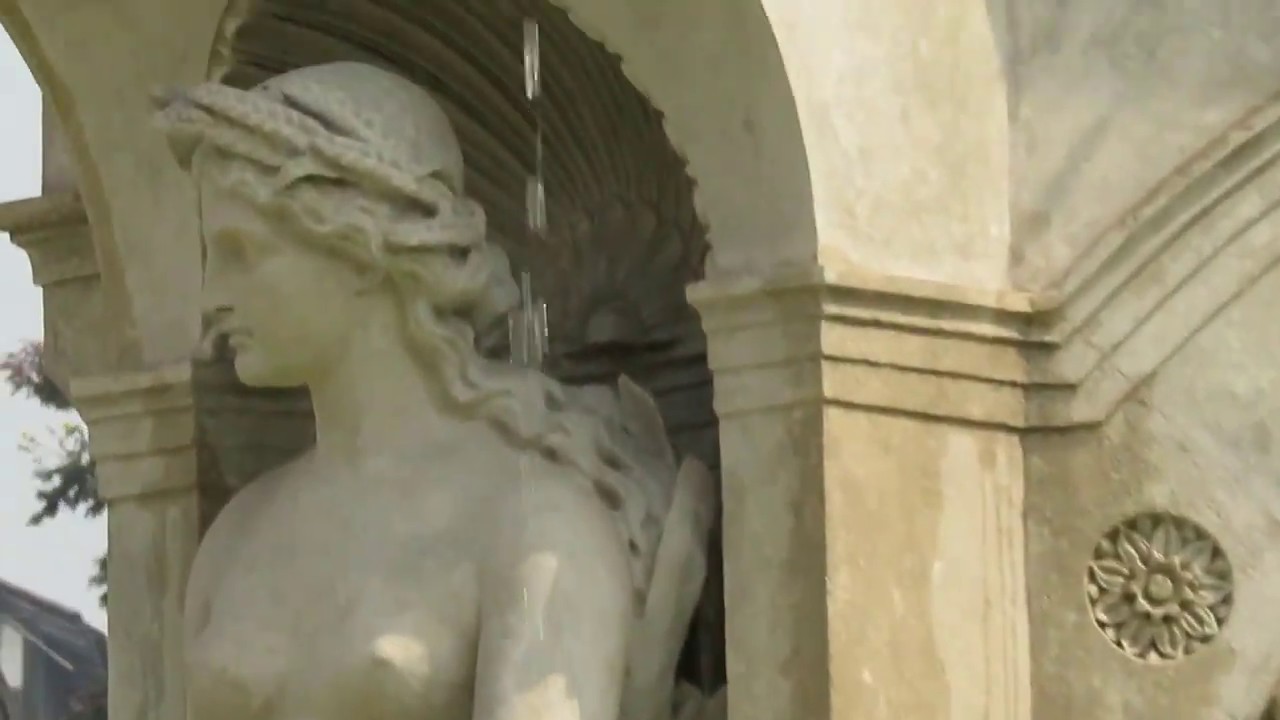
In the memory of the architect of modern Mumbai, Sir Bartle Frere, a fountain was erected in 1869. It was built by the architect Richard Norman Shaw. It was called as Frere Fountain since the fountain was surrounded by palm trees and greenary. Later it came to be known as Floral Fountain.

The architectural style adopted was ‘Gothic Reviva’. It depicts the Roman goddess Flora and was built at a total cost of Rs. 67,000.

See Glimpse of Renovated Flora Fountains

In 1870 with Telegraph office in background


In 1870-NO TRAMS-ONLY HORSE DRAWN VEHICLES


BELOW:-BY looking at the vehicles on the road to identify the year as 1874- because there is horse drawn tram


BELOW-In 1950s- TRAMS BOTH SINGLE DECKER AND DOUBLE DECKER TRAMS,ALSO CAN IDENTIFY 1940'S MAINLY AMERICAN CARS SUCH AS FORD, CHEVROLET USED AS TAXI -WAITING NEAR FOUNTAIN -PLUS- =2 =BRITISH MADE CARS SUCH AS AUSTIN PARKED NEAR KERB AS TAXI -PLUS CAN IDENTIFY A PRIVATE AUSTIN CAR ON ROAD


Flora Fountain in 1960s-LAST TRAM WAS FORCED OUT BY 1964 BY SOME { I PERSONALLY THINK SOME IN POWER ,THOUGHT AMERICAN MODEL WITH NO TRAMS,AND ONLY CARS, IS BETTER- AS PART OF THAT TENDENCY= LATER AUTO RICKSHAWS WERE ALSO NOT ALLOWED TO CITY}  

EVEN IN 1970 I SAW PLACES NORTH FROM MALABAR HILL TOWARDS DADAR AND BANDRA WERE NOT WELL  DEVELOPED -  SURPRISING TO THINK NOW WHEN EVEN BORIVLI AND NORTHWARDS  ARE DEVELOPED !!
IN 50 YEARS IT ALL HAPPENED-
SO I AM OPTIMISTIC ABOUT THE FUTURE BECAUSE WE ACHIEVED SO MUCH IN 50 YEARS -IF THERE IS NO WAR BOTH EXTERNAL AND  'INTERNAL' WE WILL BE 3 RD or SECOND IN WORLD BY 2080 ANOTHER 50 YEARS AS PREDICTED BY Goldman Sachs (American investment bank): In a well-known forecast, India is projected to surpass the US to become the world’s second-largest economy by around 2075 (behind China}


See Glimpse of Renovated Flora Fountains


Bombay 1910---20's


Bombay 1920's


hand-colored historical engraving of Bombay,1771, from Malabar Hill, created by James Forbes


AI Overview
This image appears to show a hand-colored historical engraving titled View of Bombay, from Malabar Hill, originally created by James Forbes around 1771 and published in his 1813 work Oriental Memoirs.
  • Subject: A panoramic landscape capturing a rural and coastal vista of 18th-century Bombay (Mumbai) as viewed from Malabar Hill, looking toward the harbor and the distant island of Caranjah.
  • Visual Elements: The foreground features figures strolling on a grassy slope, a tranquil pool or tank surrounded by lush vegetation, and palm trees, with the town and distant hills stretching across the bay.
Would you like to know more about James Forbes and his documentation of colonial India, or are you interested in how this specific area of Mumbai has transformed since the 18th century?


Sunday, September 20, 2026

"Large Water Tank at Bombay"British photographer Francis Frith(1850&1870s), Gowalia Tank near Cumballa Hill—


Name "Cumballa" is clearly a Kannada word.Parli is originally "Upparalli",a kannada word meaning salt makers village.Kandivali,Borivali and Malavali(Malavalli,rain village or hill village) are all Kannada word[from
gangadhar
Name "Cumballa" is clearly a Kannada word.Parli is originally "Upparalli",a kannada word meaning salt makers village.Kandivali,Borivali and Malavali(Malavalli,rain village or hill village) are all Kannada words.

Dhaval Kulkarni (धवल कुलकर्णी) 🇮🇳 on X: "Malabar Hill, the remote settlement away from Mumbai city, and its tigers: Malabar Hill is one of the most affluent and elite localities in #Mumbai

Conversation

Malabar Hill, the remote settlement away from Mumbai city, and its tigers:
Mumbai History Tigers | International Tiger Day: २०० वर्षांपूर्वी मुंबईत कुठे होता वाघांचा वावर? वाचा ऐतिहासिक संदर्भ


AI Overview
This 19th-century archival photograph titled "Large Water Tank at Bombay" was captured by renowned British photographer Francis Frith between the 1850s and 1870s, depicting a traditional masonry water reservoir—believed to be Gowalia Tank near Cumballa Hill—surrounded by palm trees and colonial-era buildings against a sloping hillock.
  • Photographer: Francis Frith (1850s–1870s albumen print/wet collodion glass negative)
  • Location Depicted: Reportedly the Gowalia Tank and Cumballa Hill area in nineteenth-century Bombay (Mumbai)
  • Composition: Features children seated along the stone embankment of the large reservoir with traditional foliage and hillside dwellings in the background
Would you like to know more about the history of water reservoirs and tanks in colonial Bombay or Francis Frith's photographic expeditions in India?
.............................................................................................................................

A tiger on Malabar Hill
AI Overview
In February 1822, a wild 
tiger
 descended from the dense forests of Malabar Hill to drink water at Gowalia Tank (now August Kranti Maidan) before returning up the hill
. This event is recorded as one of the last historical tiger sightings in what is now South Mumbai.
Historical Context
  • Dense Jungles: In the early 19th century, Malabar Hill and Cumballa Hill were heavily forested wilderness areas home to tigers, jackals, and hyenas.
  • Gowalia Tank Sighting: On February 9, 1822, a tiger trotted down the slopes to the watering hole used by local cattle herders, leaving clear pug marks found the next morning.
  • Urban Transformation: As the city expanded and land was reclaimed—notably creating sites like the Hanging Gardens and modern residential neighborhoods—wildlife was pushed out, with the last recorded island tigers disappearing by the early 20th century.
Would you like to know more about Mumbai's historical wildlife or the transformation of Malabar Hill over the last two centuries?
  • Victoria and Albert Museum
    Large Water Tank at Bombay | Francis Frith | V&A Explore The ...
    1 Apr 2009 — Large Water Tank at Bombay | Francis Frith | V&A Explore The Collections. Image 1 of 1. © Victoria and Albert Museum, London. Lice...
  • Old Indian Photos
    Large Water Tank at Bombay (Mumbai) - 19th Century ...
    17 Nov 2010 — Large Water Tank at Bombay (Mumbai) - 19th Century Photograph - Old Indian Photos. Old Indian Photos. Home. Nov 17, 2010. Large Wa...
Show all