Tuesday, May 25, 2010

Bombay Cavalry AT ANGLO PERSIAN WAR 1856-1857 AT KOOSHAB


Image result for Bombay Cavalry AT ANGLO PERSIAN WAR 1856-1857 AT KOOSHAB

THE PERSIAN WAR .THE CHARGE OF THE BOMBAY CAVALRY AT THE BATTLE OF KOOSHAB

Origins

In the context of the Great Game — the Anglo-Russian contest for influence in Central Asia — the British wished for Afghanistan to remain an independent country friendly to Britain as a buffer against Russian expansion towards India. They opposed an extension of Persian influence in Afghanistan because of the perception that Persia was unduly influenced by the Russians. The Persians had repeatedly attempted to acquire Herat by force, most recently in 1838 and 1852; both times British opposition had convinced them to back down prior to war. They made a fresh attempt in 1856, and succeeded in taking the city on 25 October, with Russian encouragement and in violation of the existing Anglo-Persian treaty. In response, the British Governor-General in India, acting on orders from London, declared war on 1 November.
Image result for ANGLO PERSIAN WAR 1856-1857 AT KOOSHAB

Koosh-Ab

Image result for Bombay Cavalry AT ANGLO PERSIAN WAR 1856-1857 AT KOOSHABAfter the arrival of the C-in-C, the force advanced inland and defeated the Persian field army at Koosh-Ab on 8 February 1857. The Poona Horse carries a Standard surmounted by a silver hand and bearing a Persian inscription captured at Koosh-Ab, in commemoration of the brilliant charge of the 3rd Bombay Light Cavalry which broke into enemy infantry and decided the fate of the day. The honour was awarded vide GOGG 1306 of 1858 and spelling changed from Kooshab vide Gazette of India No 1079 of 1910.
Image result for ANGLO PERSIAN WAR 1856-1857 AT KOOSHAB

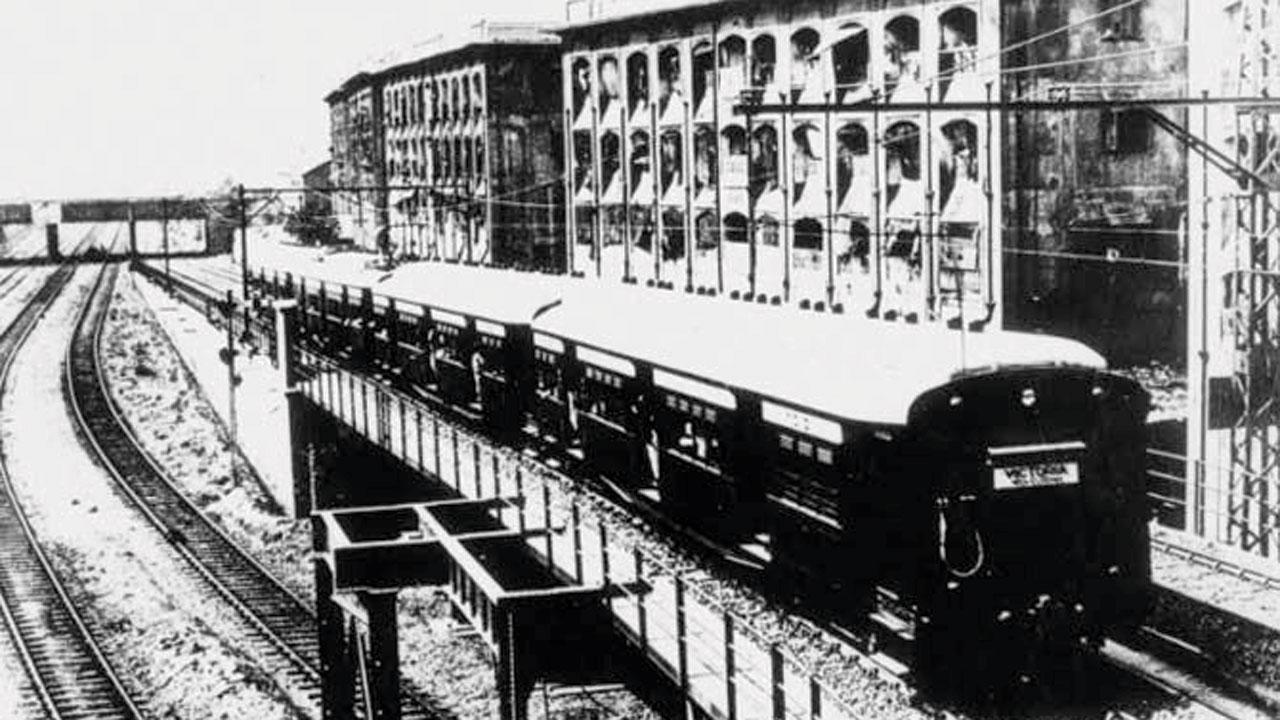
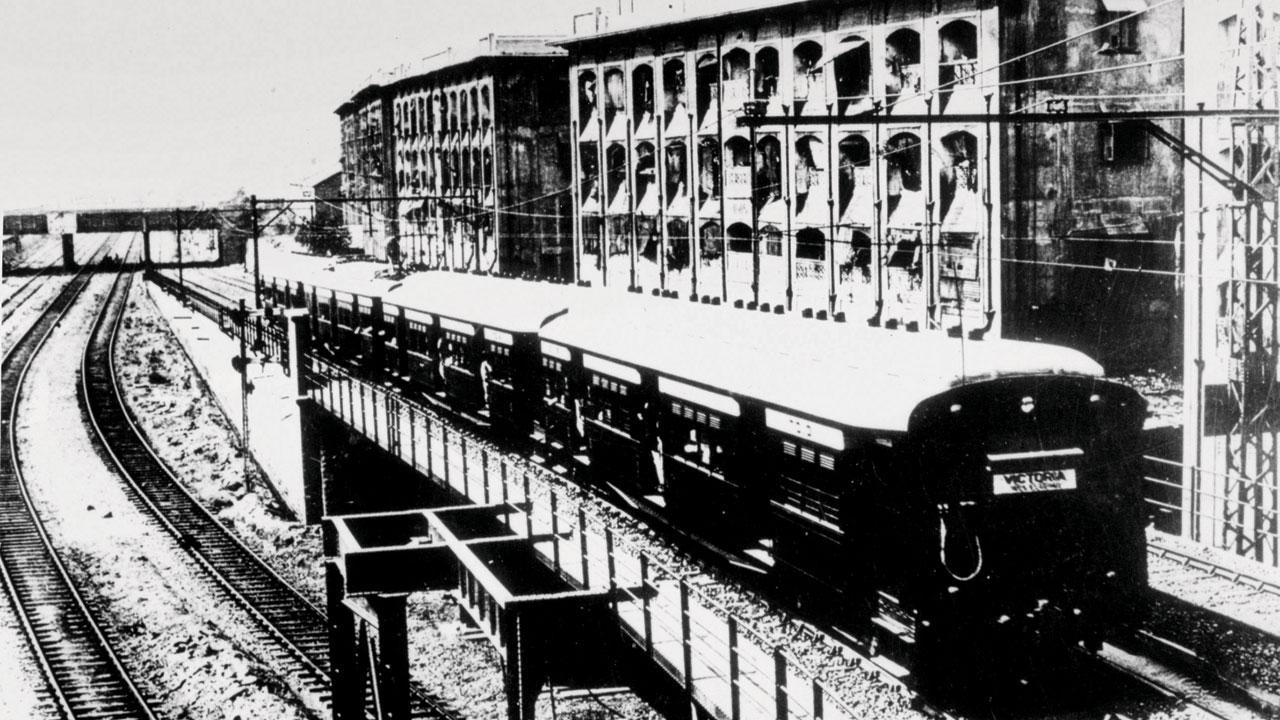
One of the earliest emu trainsets (4-car ) speeding over the Sandhurst Road flyover


Central Railway starts work on century-old Sandhurst bridge

Updated on: 21 December,2021 08:03 AM IST  |  Mumbai
Rajendra B. Aklekar rajendra.aklekar@mid-day.com

Railway has planned to re-girder eight spans of the bridge, which was built in 1923; work on two spans done on Sunday; remaining to be done during upcoming train blocks

Central Railway starts work on century-old Sandhurst bridge

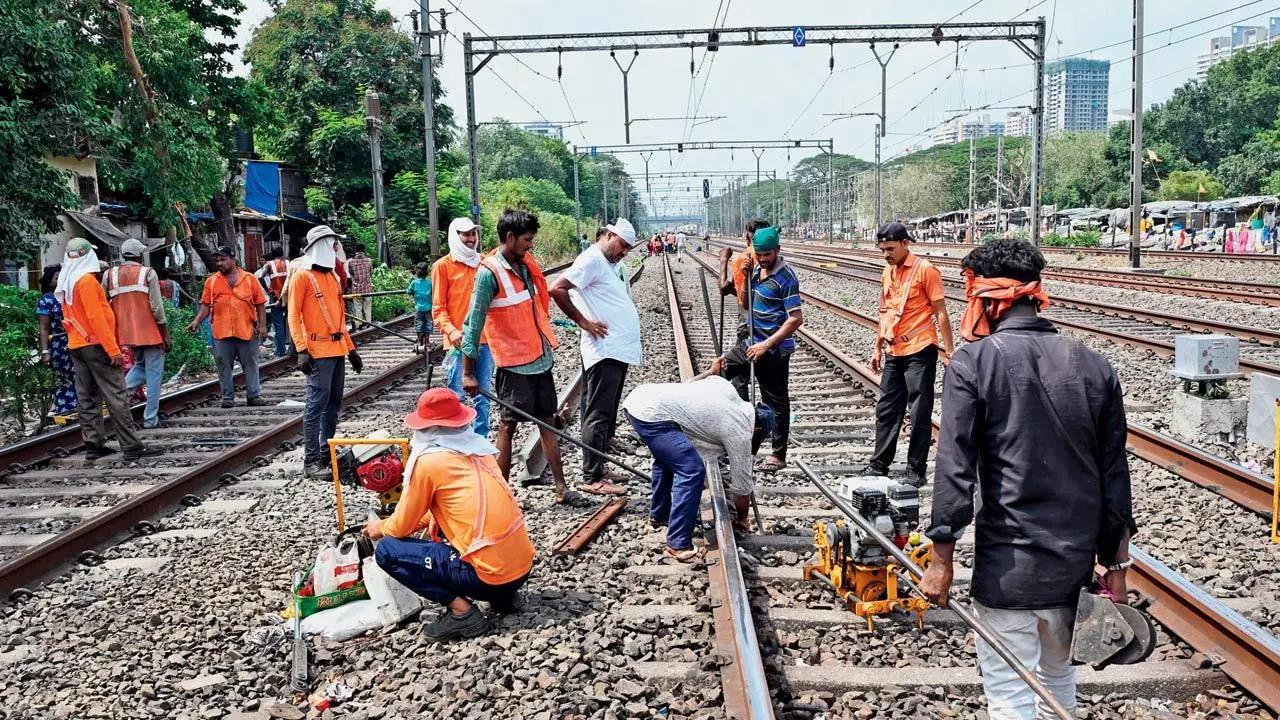
Workers replace century-old spans at Sandhurst Road station, country’s first two-tier station

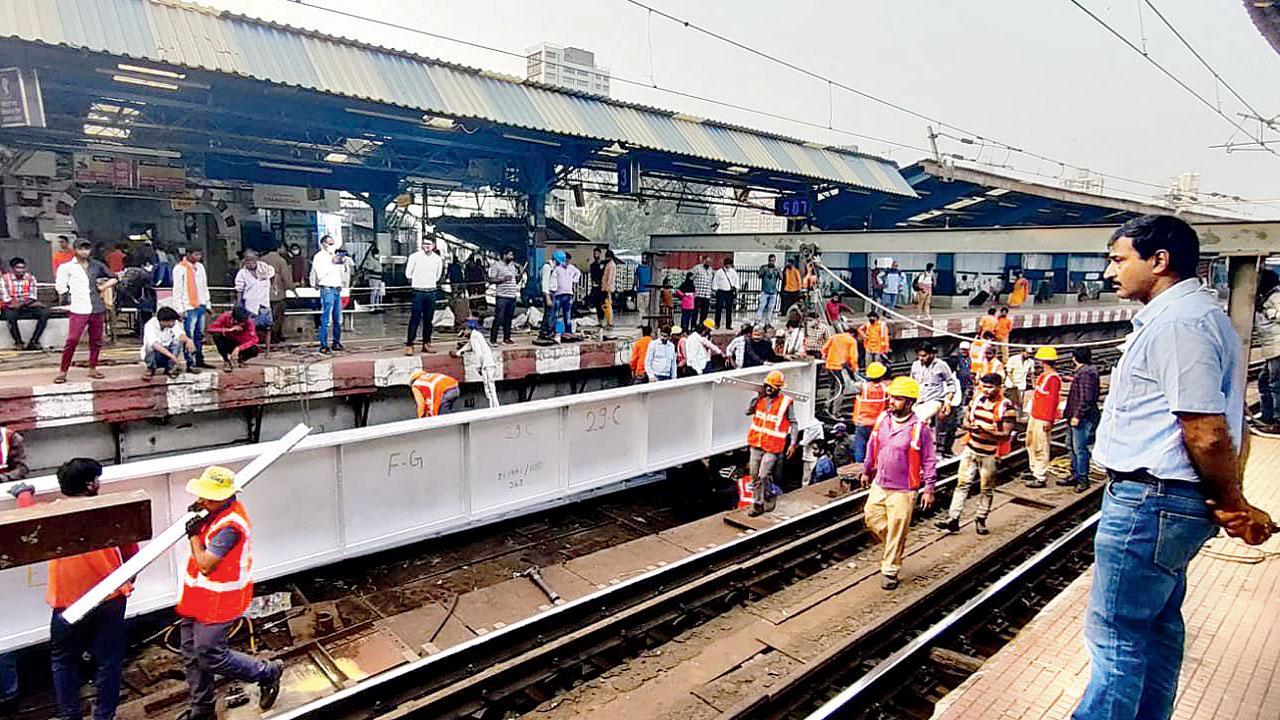
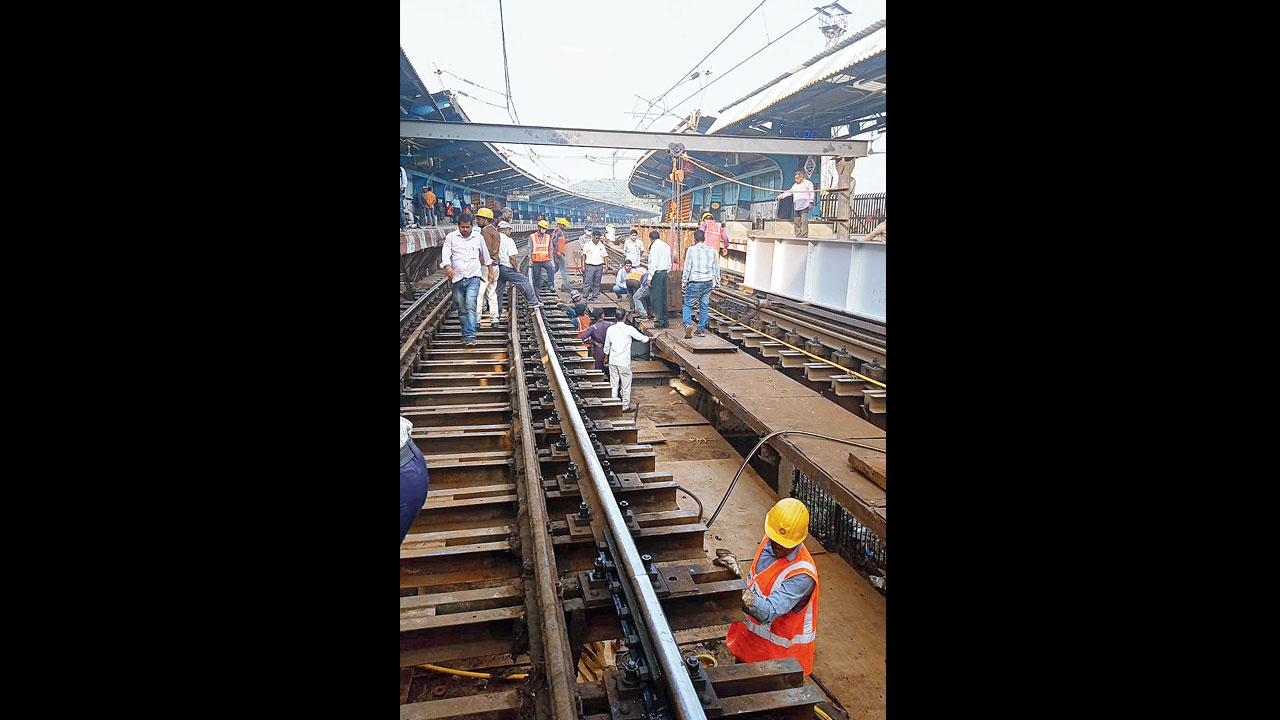
A Century on, Central Railway began the process of replacing and strengthening the original Glasgow-built elevated harbour line bridge at Sandhurst Road railway station on Sunday. The station, built on a rail flyover, has its name in history books for being the country's first two-tier station.


The bridge, constructed from 1921 to 1923, was built by the Great Indian Peninsula Railway company and operated India's first electric railway trains. “The bridge is about 100 years old. It was constructed in 1923. It used to be a ballasted deck slab which was replaced by channel (metal) sleepers in 1987,” said Central Railway’s chief public relations officer Shivaji Sutar.


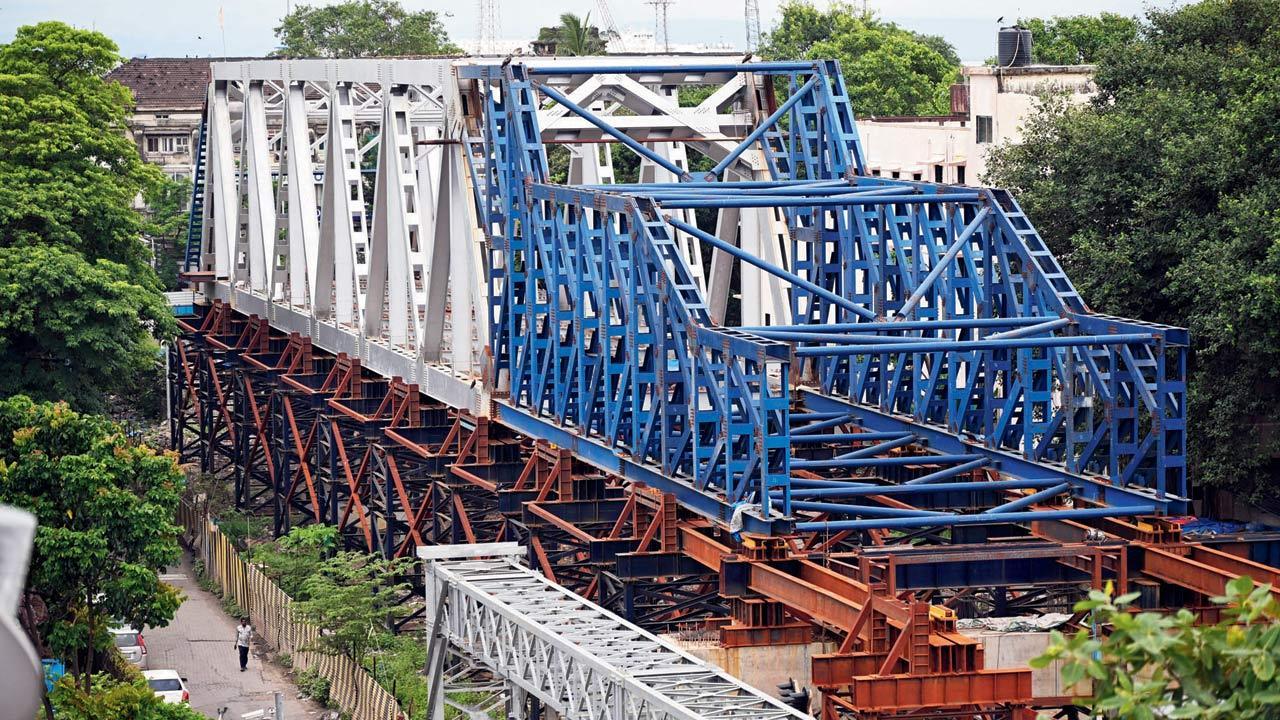
Explaining the process, he said, “Re-girdering of this rail over rail bridge is proposed for eight spans due to its corroded condition. As the approach was difficult and the weight of the girder was of approximately 2,560 metric tonnes, CR changed two spans during the Sunday block which was extended by two hours and completed by 6.40 pm. The remaining girders will be changed during the coming blocks.” 

Named after the then Bombay Governor William Mansfield, the 1st Viscount Sandhurst, the Sandhurst Road’s upper level station is a maze of steel frames and pillars. The viaduct has 2,788 tonnes of steel and is 1,728-feet long with 39 spans of various lengths. The cost of the bridge was Rs 20 lakh at that time. The pillars along the platform and bridge frames have huge metal plates bearing inscriptions, detailing the particulars of the construction, year and the contractor.

The plaques state “P&W Maclellan Clutha Works, Glasgow. GIPR Contract No. 1185-1921." Archives state that the firm P&W MacLellan from Glasgow was founded in 1811 and expanded in 1871 after the opening of the Clutha Works in MacLellan Street in the Glasgow suburb of Kinning Park and had a number of contracts from the Great Indian Peninsula Railway. In fact, the firm was also involved in the construction of the famous Chenab Bridge for the Indian State Railways in 1888, linking the Sandhurst Bridge to an era when large railway bridges were coming over huge rivers and sea beds.

1921
Year when the construction of the bridge started


The first electric train in India: circa 1925(the inaugural train at Bombay VT.)


“This is the first line of electrified railway in India and as usual Bombay is giving lead to other parts of this country in the matter of communications as it did about a 100 years ago”
- Sir Leslie Wilson, Governor of Bombay

On 3 February, 1925, India inaugurated the services of its First electric train. The daily service started between Bombay VT & Kurla on the Harbour line. A 129 ft high Railway gantry was assembled to make this possible.

The first EMU train with 4 coaches of cement flooring 10 feet wide stock was flagged off by the then Governor of Bombay Sir Leslie Wilson at 10:00 hours from pf-2. The motorman was Jahangir Framji Daruwala.

Power for electrified services was supplied by Tata group of Hydro-Electric Co. The current was delivered from Tata main to substation situated in Dharavi, Kalyan & Thane. Conversion from AC to DC at railway substation was done through rotary converters capable of 2500KW at 1500V DC voltage


On this day in 1925, India saw its first electric train run on tracks between Bombay Victoria Terminus (now Chhatrapati Shivaji Maharaj Terminus) and Kurla Harbour.

IR is set to achieve the target of 100% electrification before the centenary!


======================================================================

The first railway budget was presented in 1924. On 3 February 1925, the first electric passenger train in India ran between Victoria Terminus (VT) and Kurla on 1,500 V DC overhead traction.[12] Cammell Laird and Uerdingen Waggonfabrik(Wagon Factory) manufactured the locomotives for this train. The VT-Bandra section was electrified (with an elevated platform at Sandhurst Road),[12] the Oudh and Rohilkhund Railway was merged with the EIR, the first railway budget was presented in the same year.[13][14] In 1926, the Kurla-Kalyan section was electrified with 1,500 V DC. Electrification to Poona and Igatpuri (both 1,500 V DC) over the Bhore and Thal Ghats was also completed.[12] The Charbagh railway station in Lucknow was built in 1914. The Bandra-Virar section was electrified with 1,500 V DC in January 1928.
The Frontier Mail made its inaugural run between Bombay VT and Peshawar in 1928.[15] The country's first automatic color-light signals became operational, on GIPR's lines between Bombay VT and Byculla.[16] In 1928, the Kanpur Central and Lucknow stations opened. The Grand Trunk Express began running between Peshawar and Mangalore,[17] the Punjab Limited Express began running between Mumbai and Lahore, and automatic color-light signaling was extended to the Byculla-Kurla section the following year. On 1 June 1930, the Deccan Queen began service (hauled by a WCP-1—No. 20024, old number EA/1 4006) with seven coaches on the GIPR's electrified route from Bombay VT to Poona.[18] The Hyderabad Godavari Valley Railway was merged into Nizam's Guaranteed State Railway and the route of the Grand Trunk Express was changed to Delhi-Madras that year.

The first emu cars for the erstwhile BB & CI Railway (now WR) being unloaded from a ship around 1925.

Indian Railways' first electric train ran today 94 years ago. It was on 3.2.1925 the first EMU service with 4-cars was flagged off by Sir Leslie Wilson, the then Governor of Mumbai. The first service ran from the then Bombay VT (now Mumbai CSMT) to Kurla on harbour line.Image
Image
Image
Ministry of Railways and 3 others


THE FIRST ELECTRIC RAILWAY ENGINE GETTING OFF LOADED FROM SHIP 1925

BOMBAY FOUNTAIN TAXI STAND 1950

See full size image