Monday, January 3, 2011

The Parel Heptad;The incomplete 6th Century statue is an indicator of both, the ancient civilisation that once resided in Parel village and the ignorance of those who reside in Mumbai at present


The unfinished sculpture of the seven-headed Shiva


Within the serpentine lanes, a few steps behind the Wageshwari Devi mandir and a few steps after the Chandika Devi temple, deep in the womb of Parel, stands a deity who gets more European visitors than Indian. A small 15 foot by 10 foot room encases the Parel Shiva Heptad, known locally as Baradevi.

You have to approach this 6th Century sculpture through the Manohar decorator lane in Rashtriya Kamgaar lane.

The unfinished monolithic relief sculpture was found during road construction — a few metres from where it is enshrined now — in 1931. 


The unfinished sculpture of the seven-headed Shiva
pics by satish malavade
It was found among stone chips, indicating that the artist never finished working on it and hence the murti was never installed or worshipped.

It has a central figure with matted hair, assumed to be Lord Shiva, with two figures erupting from his shoulders and two more from his head. 

Two unfinished figurines are kneeling at the base with the beginnings of two heads above them. The eleven figures, passing through the Chinese Whispers tract of years, went to Bara (12 in Marathi) Deva to the Baradevi of today.

Owing to the size of the sculpture (11.5 foot by 6.5 foot), art historians doubt if it was meant to be installed in a temple and suspect it to be the remnants of a cave shrine or intended for open air installation.

Did you know?
•  The unfinished relief sculpture was found during road construction in 1931.

•  Owing to the size of the sculpture (11.5 X6.5 ft), historians suspect it to be the remnants of a cave shrine or intended for open air installation.
Just See
A part of it was damaged while being moved from the excavation site during the monsoons, making it unfit for worship.

The locals refused to let it be entered into the then Prince of Wales museum, and so it was installed in a hastily built room. The museum got a replica. 

The sculpting style dates back 500 years, indicating that that part of Mumbai had civilisation dating back that far.

We tend to look at Mumbai’s history starting only from the Raj and what the British built.

Due to its unfinished nature and lack of ritual setting, there is only educated deduction and interpretation on what the sculpture represents. 

Art historians are pretty sure it is Lord Shiva, given the matted hair, crescent moon and the ascetic’s waterports the figures hold in their hands. None of the figures wear a crown and the hair is intricately arranged differently for each figure.

The tiger skin identified with Shiva is replaced by the flowing dhoti most identified with Vishnu, yet it is assumed that the upper most figure is the main Maheshwara, from whom the others descend. 

The Shaivite sect interpret these to be the many forms of Shiva — as the maker, protector and destroyer of the world — and the kneeling figures are his ganas, playing a Burmese harp or veena, a flute and an absent drum. 

The sculpture as a whole is the Maheshamurthy, the full manifestation of Shiva.

Activities around this shrine are restricted in term of decibel levels and adoration to protect the ancient sculpture from damage. 

Worshippers have to be satisfied with darshan through the grill, but on Mahashivratri, it becomes the centre of festivities.


The Parel Heptad

MITALI PAREKH | Dec 25, 2010, 02:06 IST
Within the serpentine lanes, a few steps behind the Wageshwari Devi mandir and a few steps after the Chandika Devi temple, deep in the womb of Parel, stands a deity who gets more European visitors than Indian. A small 15 foot by 10 foot room encases the Parel Shiva Heptad, known
You have to approach this 6th Century sculpture through the Manohar decorator lane in Rashtriya Kamgaar lane.

The unfinished monolithic relief sculpture was found during road construction — a few metres from where it is enshrined now — in 1931.

The unfinished sculpture of the seven-headed Shiva
pics by satish malavade

It was found among stone chips, indicating that the artist never finished working on it and hence the murti was never installed or worshipped.

It has a central figure with matted hair, assumed to be Lord Shiva, with two figures erupting from his shoulders and two more from his head.

Advertisement

Two unfinished figurines are kneeling at the base with the beginnings of two heads above them. The eleven figures, passing through the Chinese Whispers tract of years, went to Bara (12 in Marathi) Deva to the Baradevi of today.

Owing to the size of the sculpture (11.5 foot by 6.5 foot), art historians doubt if it was meant to be installed in a temple and suspect it to be the remnants of a cave shrine or intended for open air installation.

Did you know?

•  The unfinished relief sculpture was found during road construction in 1931.

•  Owing to the size of the sculpture (11.5 X6.5 ft), historians suspect it to be the remnants of a cave shrine or intended for open air installation.
 

Just See

A part of it was damaged while being moved from the excavation site during the monsoons, making it unfit for worship.

The locals refused to let it be entered into the then Prince of Wales museum, and so it was installed in a hastily built room. The museum got a replica.

The sculpting style dates back 500 years, indicating that that part of Mumbai had civilisation dating back that far.

We tend to look at Mumbai’s history starting only from the Raj and what the British built.

Due to its unfinished nature and lack of ritual setting, there is only educated deduction and interpretation on what the sculpture represents.

Art historians are pretty sure it is Lord Shiva, given the matted hair, crescent moon and the ascetic’s waterports the figures hold in their hands. None of the figures wear a crown and the hair is intricately arranged differently for each figure.

The tiger skin identified with Shiva is replaced by the flowing dhoti most identified with Vishnu, yet it is assumed that the upper most figure is the main Maheshwara, from whom the others descend.

The Shaivite sect interpret these to be the many forms of Shiva — as the maker, protector and destroyer of the world — and the kneeling figures are his ganas, playing a Burmese harp or veena, a flute and an absent drum.

The sculpture as a whole is the Maheshamurthy, the full manifestation of Shiva.

Activities around this shrine are restricted in term of decibel levels and adoration to protect the ancient sculpture from damage.

Worshippers have to be satisfied with darshan through the grill, but on Mahashivratri, it becomes the centre of festivities.

Page Navigation

The rest of the results might not be what you're looking for. See more anyway

4 DREAM 'PEOPLE'S CARS---1908 FORD -T MODEL CARS;1938 HITLER'S VOLKSWAGON CAR;1970 INDIRA GANDHI 'S MARUTHI CAR;AND 2010'S NANO CAR BY TATA

                                                  The Model T Ford - The People's Car  
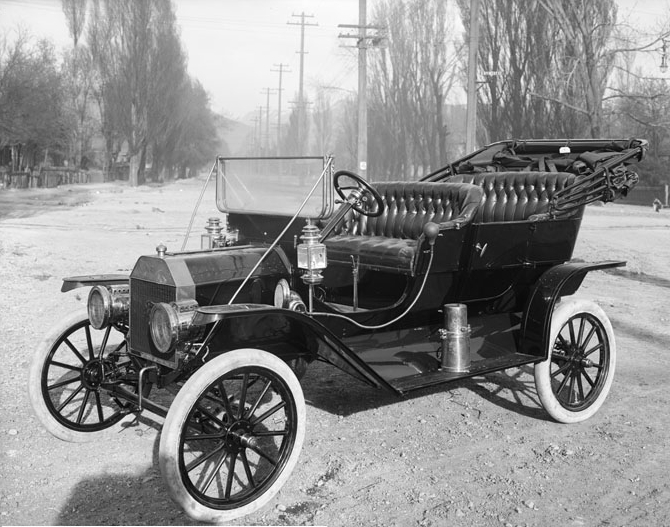
In October, 1908, Henry Ford unveiled what was to become known as 'the people's car'. He had spent two years setting up a place in Piquet Avenue, Detroit, USA, designing and building the Model T. After several years of experimenting with the design, materials to use in construction and types/colours of paint, it was ready for retail.
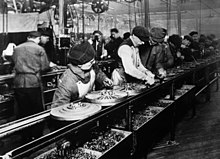
When the first Model T rolled off the production line on 1 October, 1908, it started off a new way of mass-producing carsthat would make motoring affordable to the general public. When full production began, every vehicle came in one colour only: black. By 1918, half of all cars in the USA were Model Ts. Over the 19 years it was produced, the Model T Fordwas practically unchanged in design and appearance, and a total of 15million cars were sold.

1910Ford-T


HENRY FORD

1925 Ford "New Model" T Tudor Sedan   
Ford assembly line, 1913
By 1932, Ford was manufacturing one third of all the world’s automobiles. Ford's image transfixed Europeans, especially the Germans, arousing the "fear of some, the infatuation of others, and the fascination among all


Although Volkswagen plays down the connection , the company got its start during the Third Reich. Based on the Fuerher's desire to rebuild Germany into a rich nation where all families could own a car, the company turned out several very recognizable Volkswagen beetles.
Soon, though, World War II forced the factory to start producing war material instead--including lightweight, dependable cars (Kubelwagens)


 used for transport in North Africa and along the Russian Front.

HITLER-In a Volkswagen:

INDIRA GANDHI AND MARUTHI:-
Mrs Indira Gandhi inaugurating the Maruti factory in Gurgaon

SON SANJAY, WITH INDIRA GANDHI [HE HAD MOTOR VEHICLE ENGINEERING DEGREE?DIPLOMA AND WAS VERY INTERESTED TO MAKE A PEOPLE'S CAR ,AND WAS THE MAIN SOURCE TO INSTIGATE THE RULER(INDIRA GANDHI) FOR THE CAR 

SANJAY GANDHI, WITH THE ORIGINAL MODEL FOR MARUTHI CAR;WHICH HE LATER CHANGED DUE TO?UNKNOWN REASONS ,MAKE THE PRESENT MODEL OF MARUTHI CAR
Sanjay Gandhi at the Maruti factory in the '70s. Maruti Udyog is today India's largest carmaker

Indian compact car market,  days have surely changed a lot when compared to the days when Sanjay Gandhi thought of opening Maruti Udyog.
Mr. Harpal Singh, Maruti’s first customer, proudly received the keys of the Maruti 800 car from the Prime Minister Smt. Indira Gandhi on December 14, 1983

SANJAY'S DEATH IN  PLANE CRASH


FIRST OWNER OF MARUTHI 1983(THE CAR PRICE WAS 50,000/-RS ONLY NOW IT IS ALMOST 8 TIMES MORE
Name:  Mr harpal maruti.jpg
Views: 55
Size:  23.3 KB
I'ST  OWNER OF MARUTHI WITH HIS CAR;PRICE RUPEE 50000/-ONLY;NOW PRICE ALMOST '8' TIMES MORE


TATA AND HIS NANO CAR:-